The Future of Home Design: Innovative Modern Roof Lanterns You Must to View
The tomorrow of home design is increasingly influenced by innovative modern roof lanterns. These architectural features improve natural light and introduce smart technology for improved climate control. As trends advance, angular designs and eco-friendly resources come to the forefront, indicating a shift toward healthier living environments. Understanding the multifaceted benefits and applications of roof lanterns can transform how spaces are used. What implications do these advancements have for the homes of tomorrow?
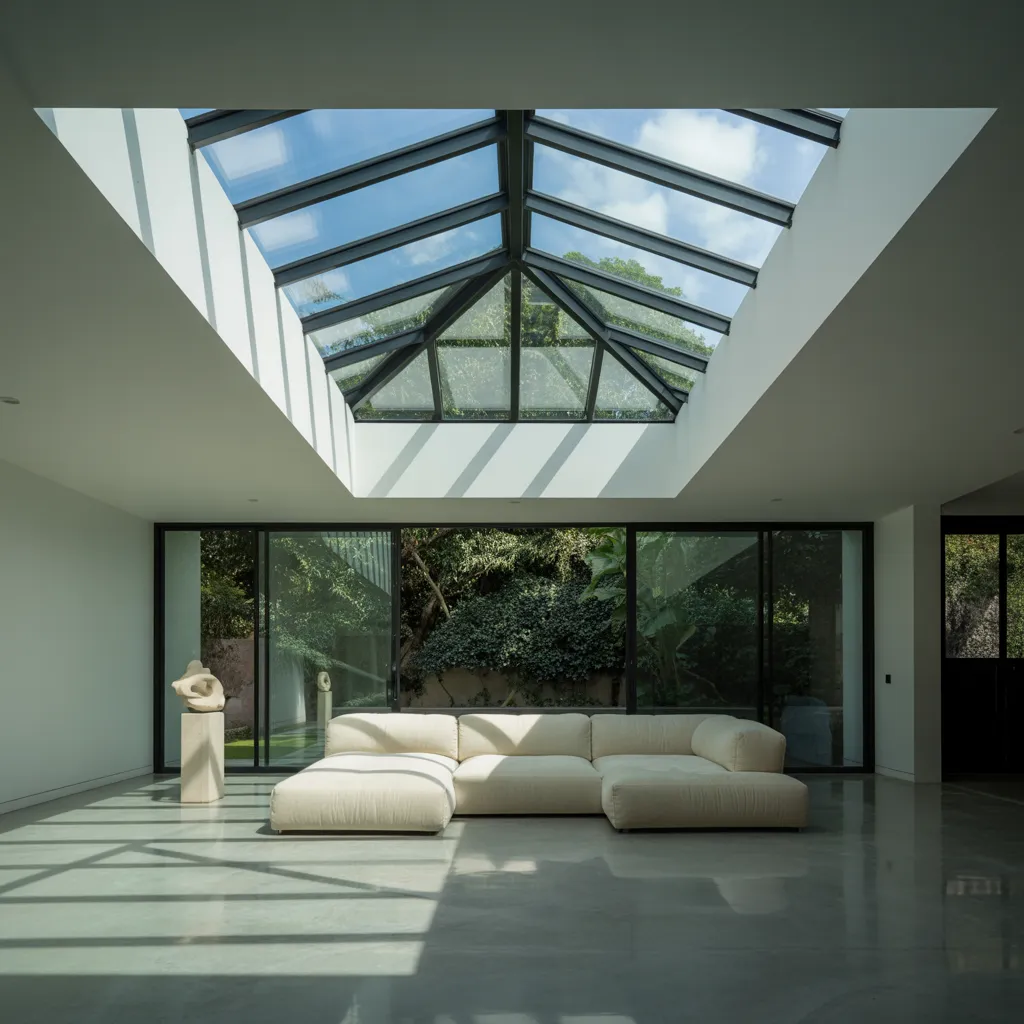
The Benefits of Contemporary Roof Lanterns
Contemporary skylights provide an abundance of benefits that elevate both the visual character and functionality of spaces. These architectural features operate as remarkable focal points, enabling natural light to saturate interiors, which can create a sense of openness and warmth. By optimizing daylight introduction, roof lanterns reduce reliance on conventional lighting, thereby promoting energy efficiency.
Furthermore, they can boost air circulation when created with functional components, contributing to a healthier living space. The application of high-quality substances guarantees longevity and low maintenance, making roof lanterns a sensible investment.
In beyond their practical benefits, these structures can enhance the overall appearance of a home, blending seamlessly with various architectural styles. By incorporating modern roof lanterns, homeowners can gain the twin benefits of improved visual appeal and better energy efficiency, making them a sought-after choice in contemporary design.
Beautiful Design Trends for Roof Lanterns
As property owners increasingly seek to merge style with practicality, modern design innovations for roof lanterns are surfacing to address these needs. One key trend is the use of geometric shapes, which imparts an contemporary character to conventional designs. These geometric configurations not only enhance visual charm but also maximize daylight penetration. Furthermore, nature-based design concepts are gaining traction, weaving in natural substances like wood and stone to form a seamless connection between interior and outdoor spaces.
A emerging trend is the incorporation of intelligent systems, enabling customizable illumination and temperature regulation, improving both convenience and energy efficiency. Color customization options are also becoming popular, enabling homeowners to tailor their lanterns to complement specific design styles. In conclusion, minimalist designs are increasing in popularity, emphasizing clean lines and minimalism, which appeal to modern preferences while preserving functionality. Collectively, these trends are transforming how roof lanterns are understood and used in contemporary home décor.
Picking the Correct Roof Lantern to Enhance Your Home
What method should homeowners use to pick the ideal roof lantern that complements their distinctive aesthetic and practical needs? First, they should consider the architectural style of their home. A contemporary lantern might work well with a contemporary space, while a more classic design could improve a classic home. Next, assessing the purpose is important; whether for natural light, ventilation, or aesthetic appeal, the chosen lantern should fulfill specific requirements.
Size plays a key role. A bigger lantern may create a notable focal point, while a smaller one might fit naturally into the existing structure. Homeowners should also consider their local climate, as it can affect material choices and insulation requirements. Lastly, energy efficiency should be kept in mind; selecting double-glazed options can boost insulation and lower energy costs. Considering these elements, homeowners can confidently select a roof lantern that enhances both the form and function of their living space.
Modern Materials in Roof Lanterns
An array of advanced materials are transforming view now the aesthetics and capability of roof lanterns. Present-day roof lanterns steadily leverage materials such as structural glass, which delivers enhanced strength and clarity, allowing for enhanced natural light. The use of aluminum in frames affords a trim yet robust structure, capable of withstanding various weather conditions while cutting maintenance needs. Moreover, polycarbonate panels are gaining popular due to their durability against strikes and thermal performance, establishing them a practical alternative to traditional glass.
Moreover, enhancements in coatings and finishes, such as self-cleaning or solar-reflective options, are enhancing the longevity and performance of these installations. These materials not only enhance aesthetic attractiveness but also improve the overall user experience, making certain that roof lanterns are both practical and attractive. As these advancements continue to evolve, they are establishing new benchmarks in the domain of home design, particularly in natural light integration.
Increasing Power Optimization Through Skylight Installations
Roof lanterns greatly improve energy efficiency in modern homes by maximizing natural light and decreasing reliance on artificial lighting. By allowing sunlight to penetrate living spaces, these architectural features reduce the need for electric lighting during the day, leading to lower energy consumption. The careful placement of roof lanterns can light up entire rooms, creating bright, inviting environments without the extra expenses of electrical illumination.
Furthermore, numerous current roof lanterns are constructed with energy-efficient glazing, which facilitates maintain indoor temperatures by reducing heat loss. This characteristic enhances overall energy savings, as reduced heating or cooling demands can markedly lower utility bills. Additionally, the increased natural light can improve residents' well-being, promoting a healthier living environment. To summarize, roof lanterns serve not only as aesthetic enhancements but also as practical solutions for energy efficiency in modern home design.

Unique Solutions for Implementing Roof Lanterns Throughout Your Home
Natural light enhances power conservation and opens up a world of design opportunities for home design. Roof lanterns function as distinctive design elements that can transform any space. In living areas, they can create a bright focal point, enhancing the overall atmosphere while allowing for an uninterrupted view of the sky.
In cooking areas, skylight fixtures brighten work areas, making them more welcoming for family gatherings and cooking endeavors. They can also be used in sleeping quarters, where they establish a serene ambiance, perfect for relaxation.
Homeowners can install roof lanterns into exterior areas, such as patios or garden rooms, dissolving the line between indoor and outdoor living. Additionally, carefully positioning roof lanterns above staircases or hallways can add warmth and character to dark spaces. Ultimately, the creative implementation of roof lanterns can revolutionize how natural light is embraced in modern homes.
Maintenance Guidelines for Roof Lanterns
Maintaining roof lanterns is crucial for maintaining their visual beauty and operational performance. Consistent upkeep is important; homeowners should use a soft cloth and mild detergent to remove dirt and grime from the glass panes. It is advisable to avoid harsh substances that can scratch the glass. Additionally, regularly checking the seals and frames ensures that there are no water damage or structural problems. If any damage is found, prompt repairs can stop additional damage.
Additionally, clearing the area around the lantern from waste materials such as leaves or branches supports ensuring adequate drainage and airflow. It is useful to search for wear signs on any electrical components, including lights or wiring. Finally, routine upkeep, particularly before winter, can defend the roof lantern from harsh weather conditions, maintaining its longevity and continued performance. Following these tips will keep roof lanterns appearing beautiful while boosting their functional benefits.
Often Asked FAQs
What Is the Average Price of Modern Roof Lanterns?
Contemporary roof lanterns generally cost between £500 and £2,500, based on size, material, and design complexity. Installation costs may also vary, affecting the overall budget for homeowners exploring this architectural improvement.
Can skylights capable of being installed on current Roofs?
Yes, roof lanterns can be fitted on current roofs, provided the structure can support the additional weight. Professional assessment is suggested to guarantee proper integration and adherence with local building regulations for ideal performance and security.
What Is the Best Positioning for Roof Lanterns?
An ideal alignment for roof lanterns is facing south, maximizing sun exposure throughout the day. This positioning amplifies natural light, improves energy efficiency, and creates a cozy, welcoming atmosphere within the living space underneath.
Are Roof Lanterns Suitable for All Climates?
Roof lanterns are typically suitable for multiple climates, though factors such as thermal protection, ventilation, and weather resistance are essential. Proper installation guarantees they perform well in both warm and cool environments, enhancing natural light and appearance.
In What Ways Do Roof Lanterns Effect Home Resale Value?
Roof lanterns can boost home resale value by enhancing sunlight and visual attractiveness. Their sleek appearance often appeals to buyers, possibly leading to increased bids and faster transactions in competitive real estate markets.